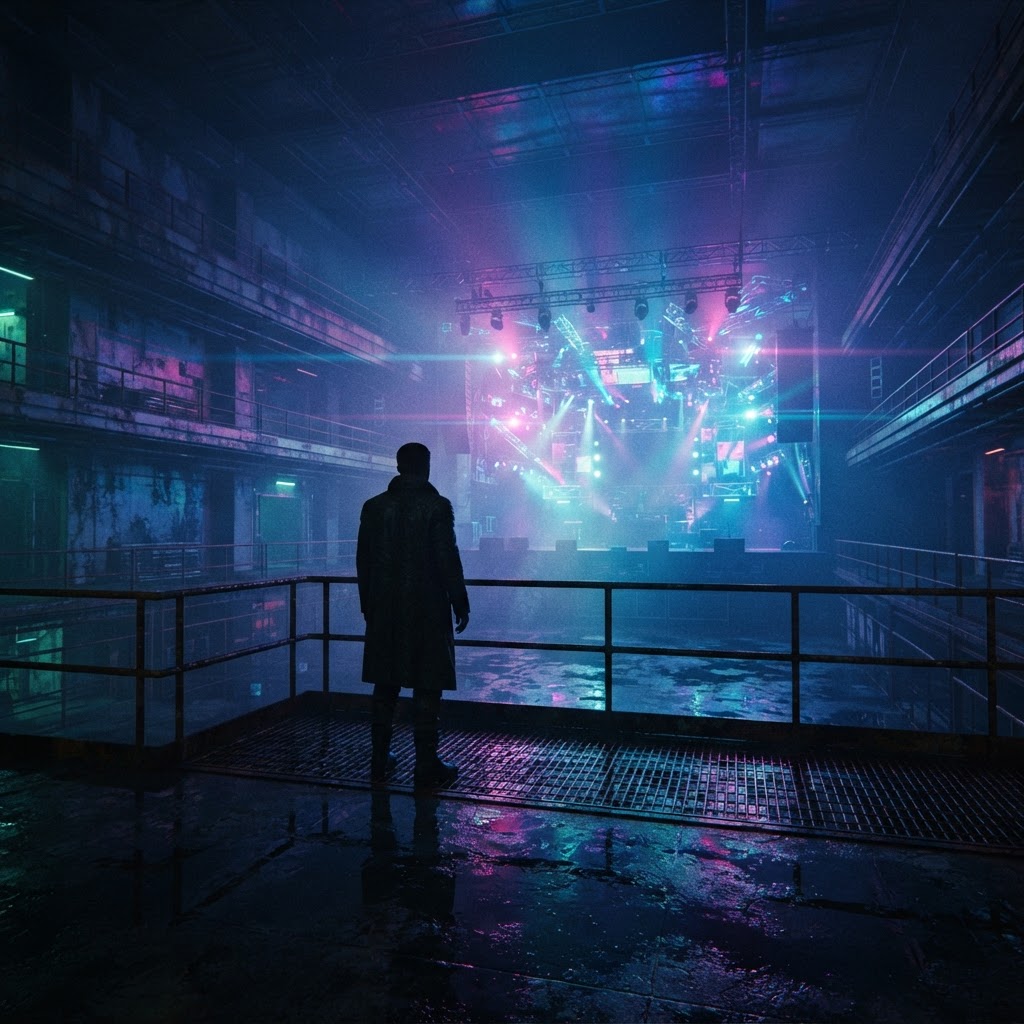
Every DJ, from the residents at DC-10 in Ibiza to the techno purists at Berghain, has experienced the 'empty floor' phenomenon. You’ve spent hours digging for that perfect white label, curated a crate of high-energy rollers, and arrived at the venue only to find a crowd that is more interested in their phones than your transitions. In the high-stakes nightlife of Miami, where expectations are as high as the humidity, a flat room can feel like a personal indictment of your talent.
However, the difference between a hobbyist and a professional is not the absence of bad nights, but the ability to navigate them without losing your composure. Handling a tough crowd is an essential skill that requires a blend of psychological fortitude, technical adaptability, and the kind of muscle memory that only comes from dedicated time in a dj practice room miami.
The Psychology of the 'Dead' Room
When the dance floor isn't moving, the natural instinct is to panic. You might start second-guessing your selection or, worse, jumping through genres too quickly in a desperate attempt to find a 'hook.' This is where your confidence is tested. You must remember that the energy of the room is not always a direct reflection of your skill. Factors like the venue's lighting, the bar service, or even the weather in South Florida can play a role.
"The room doesn't define the DJ; the DJ defines their response to the room. Confidence is the only gear that never glitches."
To maintain your authority, you need to stay 'in the mix.' If you look defeated, the crowd will sense it. By maintaining a professional posture and staying focused on your Pioneer CDJ-3000 setup, you signal to the room that you are in control. This perceived confidence often acts as a tractor beam, eventually pulling the audience back into your sonic narrative.
Technical Audits and the 'Palette Cleanse'
If the vibe is off, it’s time to perform a technical audit. Is the booth monitor too loud, causing you to overcompensate with the gain? Is the low-end muddy in the room? Use the precision of the DJM-V10 mixer to carve out a cleaner sound. Sometimes, a crowd isn't dancing because the frequency balance is physically uncomfortable.
If the sound is fine but the energy is still stagnant, try a palette cleanse. This involves a radical shift in energy or tempo to reset the room’s expectations.
-
The Strip-Back: Drop the energy entirely. Transition from a high-energy tech-house track into a deep, atmospheric tool with a long, evolving intro. This forces the room to stop talking and start listening.
-
The BPM Pivot: If your 128 BPM peak-hour set isn't landing, try dropping to 120 BPM for some chugging, melodic grooves akin to an Âme or Dixon set.
-
The Vocal Hook: Use a recognizable but credible vocal—something with heritage—to bridge the gap between the underground and the accessible.
-
The Silence: Don't be afraid of a 4-bar break. Silence creates tension, and tension demands a release.
PRO TIP: The 32-bar rule
Never blend two tracks in less than 32 bars when you are trying to 'win back' a room. Rapid-fire mixing can feel frantic and desperate. Give the floor time to absorb the new element before committing to the full transition. This shows the crowd you are playing with intention, not fear.
Preparation is the Antidote to Panic
When the pressure is on, you fall to the level of your training. This is why booking a dj studio rental miami is non-negotiable for serious performers. Practicing in a bedroom on a controller is fundamentally different from standing behind a professional club-standard booth. At Sonic Spectrum, we provide the exact environment you will face at top-tier venues like Hï Ibiza or Amnesia.
When you spend time on the Pioneer CDJ-3000s, you learn the nuances of the jog wheel and the responsiveness of the touch screen. When you utilize a DJM-V10, you master the 4-band EQ and the sophisticated compression settings that can save a set when the acoustics are challenging. Knowing your gear inside and out allows you to focus 100% of your mental energy on the crowd rather than the buttons.
Building a 'Break-Glass-In-Case-Of-Emergency' Crate
Every professional DJ carries a secret weapon: the emergency crate. This is a collection of 5 to 10 tracks that are statistically proven to move a floor, regardless of the genre. These aren't 'cheesy' hits; they are tracks with undeniable groove and perfect engineering. Think of the timeless minimal house of Sossa or the infectious, rhythmic drive of a Keinemusik production.
By practicing these 'pivot' transitions at a dj studio miami, you can execute them flawlessly under the stress of a real gig. You should know exactly which track to reach for when the energy dips in Kendall or a lounge in Coral Gables.
The After-Action Report
A bad night is only a failure if you don't learn from it. Many DJs record their sets—a service we offer with 4K DJ recording miami—to analyze where they lost the crowd. Listening back to a recording in a cold, objective environment allows you to identify if your transitions were too long, if your track selection was too self-indulgent, or if you simply missed a cue from the dance floor.
Refining your craft at a professional studio like Sonic Spectrum located at 13028 SW 120th St allows you to recreate those difficult moments and find better solutions. Rehearsing your 'recovery' sets ensures that the next time the room goes cold, you’ll have the technical skills and the mental clarity to heat it back up.
Ready to elevate your performance and build the confidence of a pro? Stop guessing and start mastering your craft. Book your next practice session on club-standard gear at Sonic Spectrum and ensure you're prepared for any crowd Miami throws at you.
 FOLLOW US