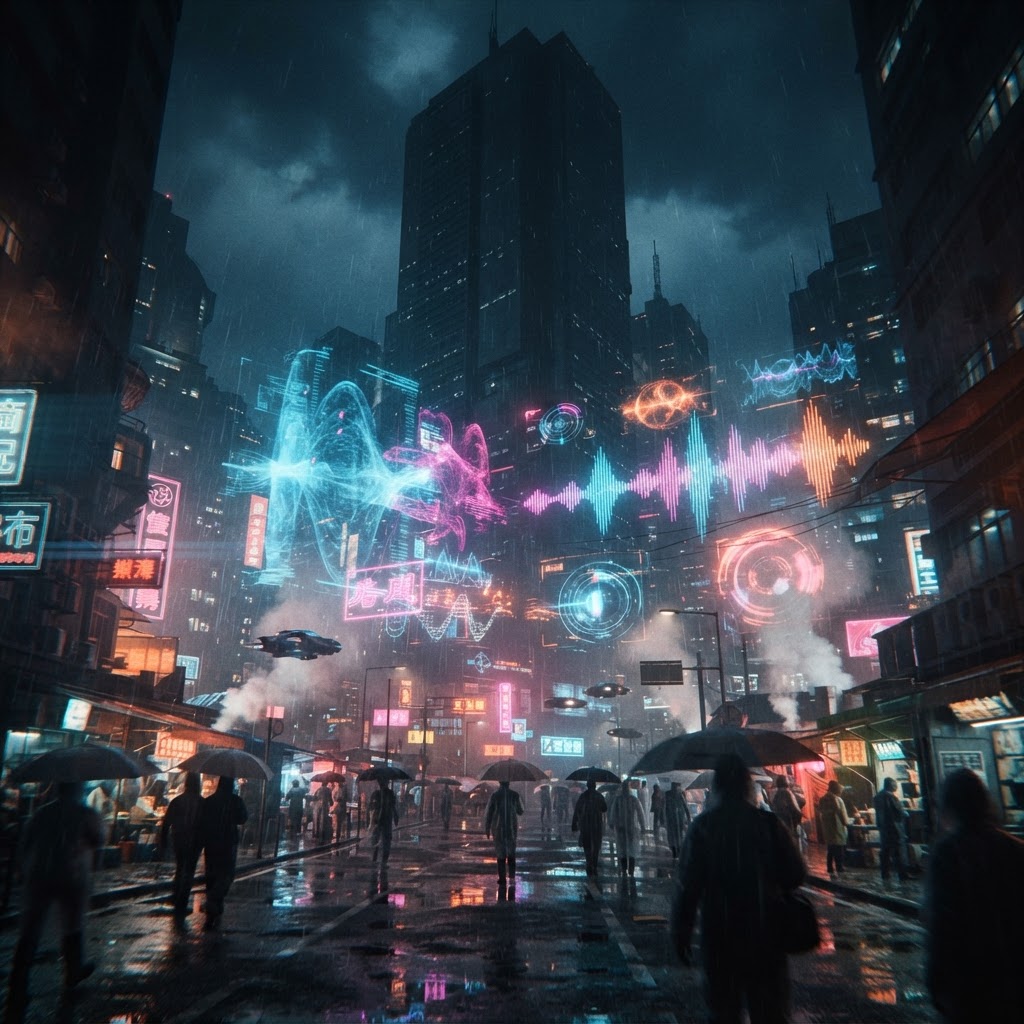
For nearly a decade, dance music culture seemed obsessed with shrinking. From intimate basement micro-clubs to DIY warehouse pop-ups, the prevailing wisdom insisted that smaller meant more authentic. Authenticity, purists argued, could only survive in damp, low-ceilinged rooms lit by a single amber bulb.
Then the tide turned.
From Ibiza's reigniting juggernauts to Miami's own mega-structures, dance music is once again scaling upward at staggering speed. The superclub era has returned—not as a tired revival of nineties cheese, but as a hyper-engineered, technologically flawless titan driven by global tourism, cinematic production values, and an uncompromising underground sensibility.
"The contemporary superclub is not a cavernous stadium; it is a precision acoustic instrument blown up to industrial scale."
For artists navigating this shifting terrain, stepping onto these massive platforms demands an entirely different operational standard. Understanding the forces fueling this revival—and mastering the equipment that anchors it—is now the baseline for any performer looking to break past local bars into global bookings.
The Architecture of Scale: Ibiza to Miami
To understand the return of large-scale nightlife, look at the dual epicenters of global clubbing: Ibiza and Miami.
In the Balearics, venues like Hï Ibiza—anchored by marathon Saturday residencies from Black Coffee alongside selectors like Carlita and Dixon—have proven that five-figure crowd capacities do not require sacrificing musical depth. Meanwhile, the announcement of next-generation concepts like UNVRS alongside the raw open-air theater of Ushuaïa illustrates that clubbers today crave sensory immersion they simply cannot stream on TikTok or replicate in a living room.
In South Florida, this massive appetite is mirrored across venues from Downtown to South Beach. The modern clubber demands scale, crystalline fidelity, and theatrical narrative. But scale introduces a ruthless technical reality: you cannot hide mistakes on a million-dollar sound rig.
Why Production Demands Flawless Precision
In a 100-capacity bar, a sloppy phrasing transition or a slightly clipped frequency is easily masked by room reflection and casual chatter. In a 3,000-capacity superclub running line-array systems tuned down to 25Hz, micro-mistakes become catastrophic.
-
Dynamic Headroom Management: Superclub systems operate with massive headroom. Running hot into the red will choke the master limiter and flatten your groove into harsh, fatiguing mud.
-
Low-End Phase Discipline: Layering two kick drums or mismanaging high-pass filters turns cavernous rooms into cavernous mush instantly.
-
Interface Muscle Memory: High-production booths feature multi-deck routing across four channels minimum, sync cues tied to visual rigs, and outboard effects running through send/return loops.
PRO TIP: Sculpting the Low-End on Festival-Scale Systems
When mixing on massive rigs, never let two basslines collide during a transition. Swap the low frequencies cleanly on the downbeat using the isolator mode on your mixer. What feels smooth on headphones will create physical phase cancellation through commercial sub-bass clusters.
If you step into that booth without total fluency on the industry's reference standard—the Pioneer CDJ-3000 paired with the six-channel DJM-V10 mixer—your focus will be glued to basic buttons rather than crowd control.
The Technical Standard: CDJ-3000s and the DJM-V10
The contemporary superclub booth is no longer a pair of basic decks and a two-channel fader. Today's standard platform demands multi-layered mixing capabilities, nuanced four-band EQ curves, and studio-grade audio converters.
The Pioneer CDJ-3000 provides the physical horsepower: lightning-fast touch previews, stacked waveform views for intricate phrase matching, and zero-latency hardware jog wheels designed for pinpoint cue control. When paired with the DJM-V10, DJs gain surgical authority over their sonic profile. The four-band EQ allows you to carve mid-range percussion without stripping the body of a vocal, while dedicated compression knobs breathe consistency into older, dynamic masters.
To command a superclub room, this hardware cannot be theoretical; it must be second nature.
Rehearsing for the Big Room at Sonic Spectrum
You cannot simulate the superclub experience on budget plastic controllers in your bedroom. The tactile resistance of the jog wheels, the gain structure of high-end preamps, and the spatial acoustics of a real booth must be felt physically.
This is why booking time at a dedicated dj practice room miami provides is the single highest-ROI habit for working selectors. At Sonic Spectrum, located in Southwest Miami at 13028 SW 120th St, artists gain unfiltered access to the exact club-spec setup found at Circoloco, Hï Ibiza, and Miami's biggest venues: dual or quad Pioneer CDJ-3000 players backed by the powerhouse DJM-V10.
Whether you are dialing in cue points, recording a high-stakes promo mix, or testing your transition phrasing under clinical acoustic conditions, practicing at a professional dj studio miami residents rely on eliminates booth anxiety before you ever touch the club stage.
Ready to Command the Stage?
The superclub era is here, and it favors the prepared. Stop second-guessing your technical workflow on compromised gear. Book your 2-hour rehearsal session on industry-standard CDJ-3000s at Sonic Spectrum today, and prepare your sets for the world's most demanding sound systems.
 FOLLOW US